

 Share
ShareIn this wide-ranging Wednesday episode, Ted and Austin Broer connect Antarctic krill oil’s phospholipid omega-3 bioavailability superiority, the prescription drug cascade and second-prescription-for-side-effects pattern, wearable health device anxiety amplification, AI guardrails as government control consolidation rather than public protection, corporate data monetization and privacy erosion, Pro Cut Core’s raw ingredient testing delay, MMR vaccine trust decline, Venezuelan oil revenue audit questions, and ten personal development habits into a broadcast that delivers both urgent health science and sharp institutional, privacy, and cultural accountability.
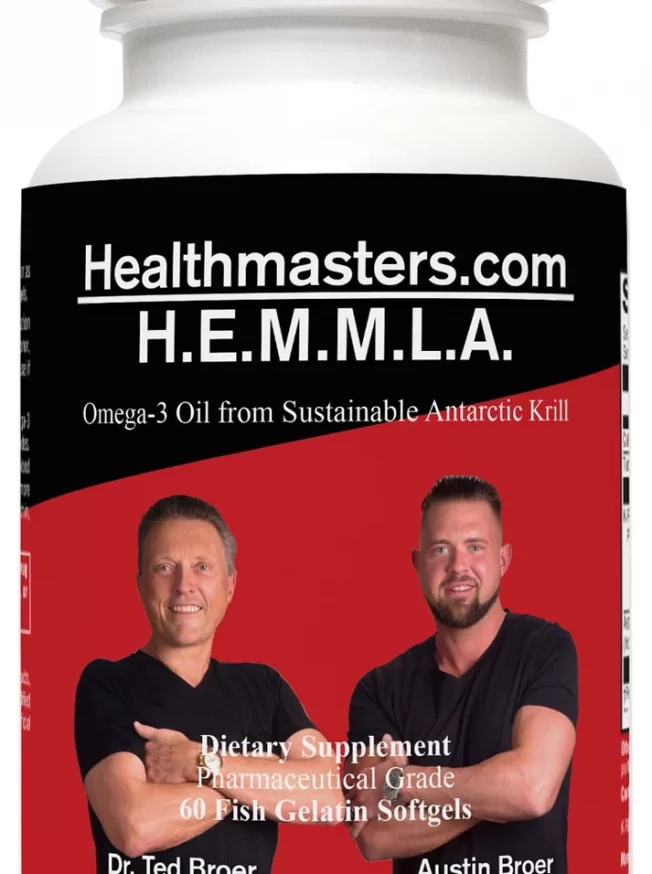
The episode opens with Austin presenting the Antarctic krill oil omega-3 superiority framework, walking through phospholipid-bound DHA and EPA’s cellular absorption advantage over the triglyceride-bound omega-3s in conventional fish oil, astaxanthin’s role as a built-in antioxidant preventing the lipid oxidation that makes most fish oil products rancid before they deliver meaningful benefit, and the wild-caught Antarctic sourcing that both hosts reinforce as the quality standard that distinguishes krill oil from the farmed alternatives flooding the mass market. Both hosts connect the omega-3 conversation to the broader cardiovascular, neurological, and anti-inflammatory protocol they have been building and reinforce krill oil as the superior daily omega-3 investment for anyone committed to genuine cellular-level absorption rather than label-reading compliance.
The prescription drug cascade segment delivers one of the episode’s most practically significant pharmaceutical accountability discussions, with both hosts documenting the pattern of second prescriptions being issued to manage the side effects of first prescriptions, creating a dependency cascade that both argue serves pharmaceutical revenue rather than patient health. Both hosts connect the cascade pattern to the statin, antidepressant, and blood pressure medication conversations they have been building and reinforce natural root cause correction as the alternative that breaks the cascade at its starting point rather than adding layers of pharmaceutical management.
The wearable health device anxiety segment draws practically important and counterintuitive guidance as both hosts document how constant sleep score and heart rate monitoring through wearable devices produces measurable anxiety amplification in users who become increasingly focused on metric optimization rather than natural health restoration. Both hosts advise against allowing wearable data to replace bodily awareness and natural recovery signals as the primary health guidance system.
The AI guardrails discussion draws pointed and important institutional accountability coverage as Austin argues that proposed AI regulation frameworks are more likely to consolidate government and industry control over AI deployment than to genuinely protect public interests, with Ted connecting the regulatory capture framework to the surveillance, consent, and permission conversation both have been building. Both hosts reinforce independent research and skepticism toward any institutional AI governance framework as the informed citizen’s appropriate response.
Corporate data monetization draws both hosts’ pointed consumer protection commentary, documenting how companies across retail, automotive, and technology sectors collect, track, and sell customer information as a revenue stream, with both hosts connecting the post-acquisition business culture shift toward margin maximization and data monetization to the same equity firm capture pattern they have been documenting throughout recent episodes.
The Pro Cut Core delay draws both hosts’ transparent consumer communication about a raw ingredient repeatedly failing laboratory testing, reinforcing Health Masters’ quality-first manufacturing standard that refuses to ship products until every ingredient meets the documented specification regardless of the revenue impact of extended unavailability.
The MMR vaccine trust decline draws Austin’s coverage of reported declining confidence in the measles mumps rubella vaccination schedule alongside both hosts’ consistent case for informed consent, individualized risk assessment, and parental decision-making authority over compulsory vaccination policy expansion. The Venezuelan oil revenue audit question draws Ted’s geopolitical commentary about where resource revenues end up versus where official narratives suggest they flow.
The episode closes with Ted presenting ten personal development habits covering keeping commitments, rising early, making daily lists, walking, resting adequately, repairing rather than replacing, sharing family meals, spending time in silence, practicing generosity, and maintaining a personal relationship with Jesus as the foundational daily disciplines both hosts frame as the practical expression of the prayer-work-prayer framework both have been advocating throughout the series. Both hosts promote healthmasters.com and thebroershow.com as the primary content access points and Ted delivers a warm faith send-off calling the audience to implement at least one of the ten habits this week.