

 Share
ShareIn this wide-ranging Tuesday episode, Ted and Austin Broer connect potassium bromate’s carcinogenic presence in 200 American food products, shellfish’s bacterial and heavy metal contamination, inflammation’s documented clinical link to depression, alcohol’s cortisol destruction cycle, glyphosate’s bread contamination consequences, B vitamins as natural depression support, and red light camera privacy expansion into a broadcast that delivers both urgent consumer food safety warnings and sharp institutional accountability.
The episode opens with Austin presenting the potassium bromate investigation, walking through the compound’s classification as a group 2B carcinogen, its documented mechanisms of kidney failure, neurobehavioral changes, and hearing loss, its thyroid gland impact, and the striking global regulatory contrast between the United States’ continued permission and the bans in the EU, Canada, Brazil, and most developed markets. Both hosts connect Florida’s subpoena of General Mills over potassium bromate use to the broader pattern of state-level food safety accountability that federal agencies have failed to pursue, and reinforce label reading and organic whole food sourcing as the practical consumer response while regulatory action remains incomplete.
The shellfish segment draws on Ted’s personal experience and biblical dietary law to deliver a pointed and research-grounded warning, documenting shellfish’s filter feeding mechanism that concentrates bacteria, heavy metals, and environmental toxins in the tissue, Ted’s 1981 personal illness after eating shellfish at a buffet that permanently changed his dietary approach, and a story about a woman who nearly had her legs amputated following severe bacterial infection from shrimp consumption. Both hosts connect the ancient Torah dietary prohibitions on shellfish to the modern biological reality that filter feeders accumulate precisely the environmental contaminants that human immune and detoxification systems are least equipped to handle at the concentrations these foods deliver.
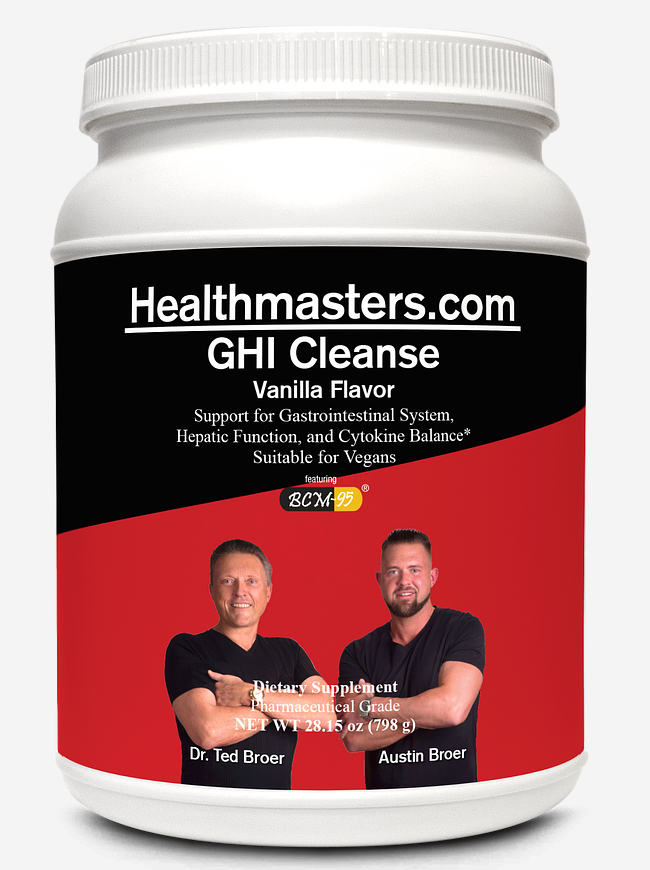
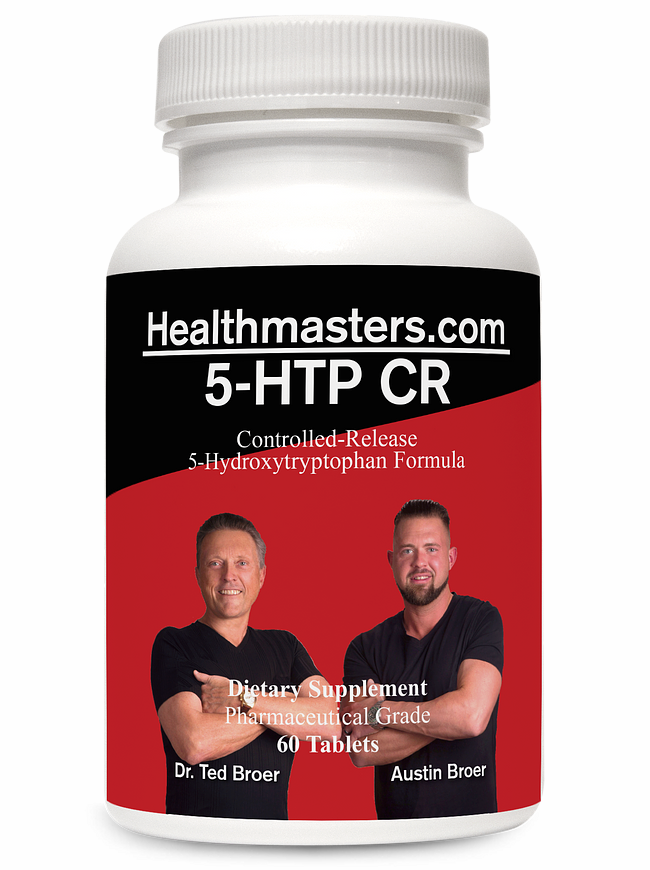
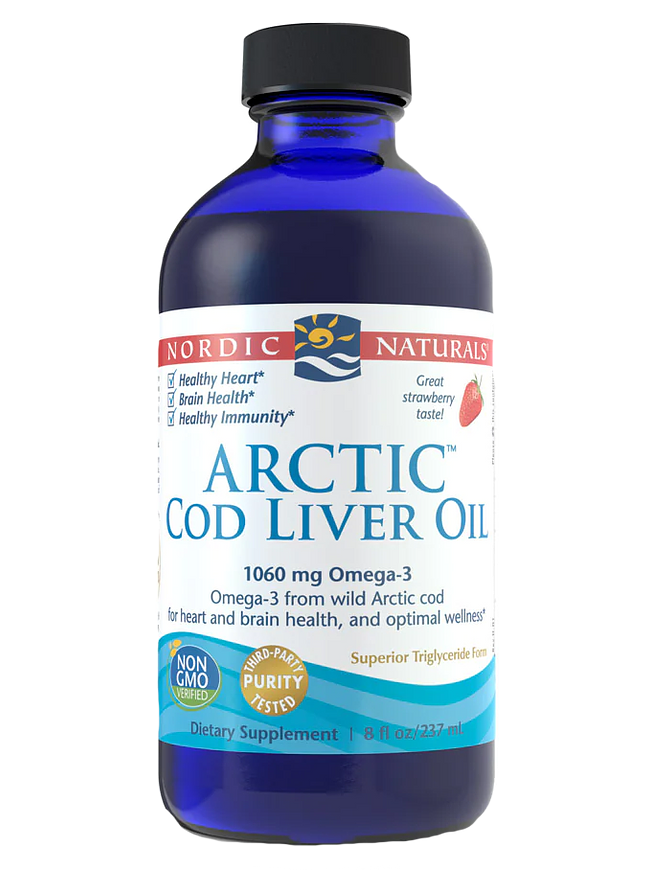
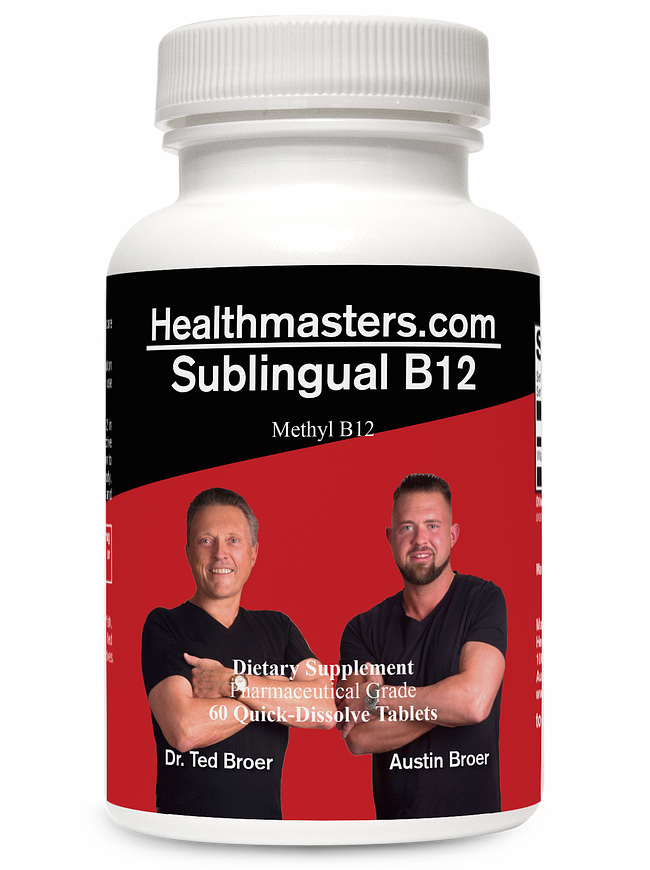
The inflammation and depression segment delivers a clinically significant and practically actionable reframing as Austin presents the JAMA Psychiatry clinical trial directly linking chronic inflammation to depression, connecting it to Ted’s account of a German medical doctor observing rising suicides from long COVID over-medication and both hosts’ consistent case that addressing gut inflammation through dietary correction and supplementation is the only intervention that targets the root cause rather than the downstream psychiatric presentation. Both hosts recommend 5-HTP, cod liver oil, and methylated B vitamins alongside the GHI cleanse as the natural depression support protocol that pharmaceutical psychiatry consistently bypasses.
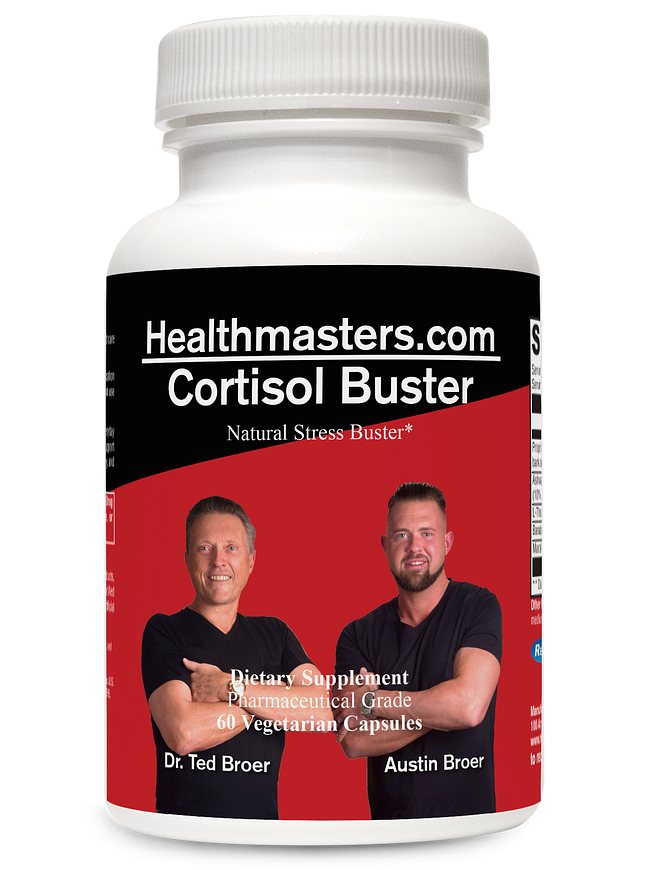
The alcohol and cortisol segment delivers an important and personally grounded warning as Austin explains the specific mechanism by which alcohol elevates cortisol, disrupts the HPA axis, and creates a dependency cycle where the temporary cortisol relief of drinking produces rebound elevation that drives the next consumption episode. Both hosts connect chronic alcohol use to the inflammation, gut damage, and mental health deterioration conversation and reinforce cortisol buster supplementation and dietary correction as the non-pharmaceutical intervention pathway.
The glyphosate in bread segment returns with a specific and vivid consumer protection example as Ted and Austin document how non-organic bread production involves glyphosate application at multiple stages including pre-harvest desiccation that leaves measurable residue in the finished product. Both hosts reinforce a friend’s health improvement story from switching to organic and avoiding processed foods as validation of the gut inflammation reduction that eliminating glyphosate-contaminated bread produces even before any other dietary changes are implemented.
The red light camera segment continues the Vera Mobility coverage with both hosts documenting the proliferation of camera systems beyond traffic management into behavioral prediction and AI-driven surveillance integration, connecting it to the low-profile prepping and privacy maintenance conversation both have been building and encouraging mass resistance through citation contestation as the most effective community-level response to revenue-extraction camera networks.
The processed food ingredient count segment delivers a memorable and practically motivating consumer awareness illustration as Ted documents hamburgers containing 150 ingredients and Chick-fil-A’s chocolate milkshake containing 35 ingredients, using the specific numbers to reinforce the label reading habit both hosts have been advocating and connecting the ingredient complexity to the toxic additive accumulation that simple whole food preparation entirely avoids.
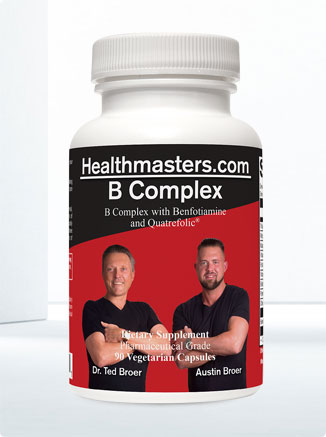
The episode closes with B complex announced as the product of the week for its Parkinson’s disease research connection and methylated formulation superiority, a side-by-side B complex comparison demonstration promised for the next episode, studio renovation update with carpet removed for mildew remediation, multi-pack deals and VIP express shipping highlighted, and Ted’s warm faith send-off calling the audience to follow biblical dietary principles, maintain faith in Christ, and support their health through clean simple food choices.