

 Share
ShareIn this wide-ranging Thursday episode, Ted and Austin Broer connect fibromyalgia’s natural treatment protocol, food preservative cancer and diabetes risk, screen time’s documented brain thinning in children, egg protein’s exceptional bioavailability, vitamin D and magnesium for athletic performance, purple sticks versus energy drinks, and AI data center financial risk into a broadcast that delivers both urgent health science and sharp consumer protection guidance.
The episode opens with Austin presenting the fibromyalgia natural treatment framework, walking through the condition’s pain amplification mechanism in the brain, its primary symptom profile of widespread musculoskeletal pain, tender points, cognitive brain fog, and heightened sensory sensitivity, and the specific natural interventions with clinical support. Magnesium citrate at 300 milligrams daily draws coverage for a study showing measurable improvement in tender points, with Austin connecting magnesium deficiency to the cortisol elevation and central nervous system sensitization both hosts have identified as core fibromyalgia drivers. Vitamin D’s role in pain amplification receives coverage alongside acetyl carnitine’s documented ability to reduce both pain and depressive symptoms simultaneously, CoQ10’s improvement of fatigue and morning tiredness, and melatonin’s dual role in pain reduction and sleep quality improvement with dosage caution flagged to avoid morning grogginess. Both hosts reinforce the anti-inflammatory dietary foundation as the prerequisite without which supplementation produces only partial benefit, and connect stress management, breathing practices, sleep hygiene, and smoking cessation as the lifestyle components completing the comprehensive fibromyalgia management protocol.
The food preservative segment delivers practically urgent consumer protection as Austin walks through sodium benzoate’s documented conversion to a carcinogenic compound when combined with vitamin C present in many of the same beverages and foods, nitrates’ links to colorectal cancer and type 2 diabetes through processed meat consumption, and BHT’s broader inflammatory profile. Both hosts provide specific and immediately actionable label-reading guidance and practical swap recommendations including block cheese over pre-shredded, homemade salad dressings over commercial, and minimally processed whole food alternatives across the most commonly affected product categories.
The screen time brain development segment returns with new research as Austin presents a two-year longitudinal study showing children spending three or more hours daily on screens developed measurably higher rates of ADD-like symptoms, slower growth of the brain layer governing attention and impulse control, and structural brain changes in the regions responsible for focus. Both hosts connect this to the brain prematuration research from the previous episode and reinforce outdoor activity, physical play, and device limitation as the only interventions that allow normal attentional brain development to proceed without the dopamine receptor disruption screen exposure produces.
The egg protein segment delivers encouraging and practically useful nutritional science as Austin walks through eggs’ complete essential amino acid profile, their exceptionally high bioavailability rate making egg protein among the most efficiently absorbed dietary proteins available, their role in immune system and cellular health, and the practical tip that consuming eggs alongside avocado or leafy greens measurably increases absorption of both the protein and the fat-soluble vitamins present in the yolk. Ted and Austin reinforce eggs as one of the most cost-effective complete nutritional investments available regardless of budget level.
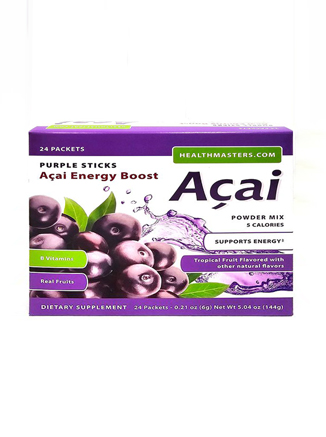
Purple sticks versus energy drinks draws a pointed and practically important consumer comparison as Austin explains that purple sticks’ natural caffeine delivery through green tea and yerba mate produces a measurably smoother sustained energy experience compared to isolated synthetic caffeine, without the sleep disruption, central nervous system strain, and blood sugar consequences that high-caffeine high-sugar energy drinks produce with their rapid cortisol and insulin spike mechanism.
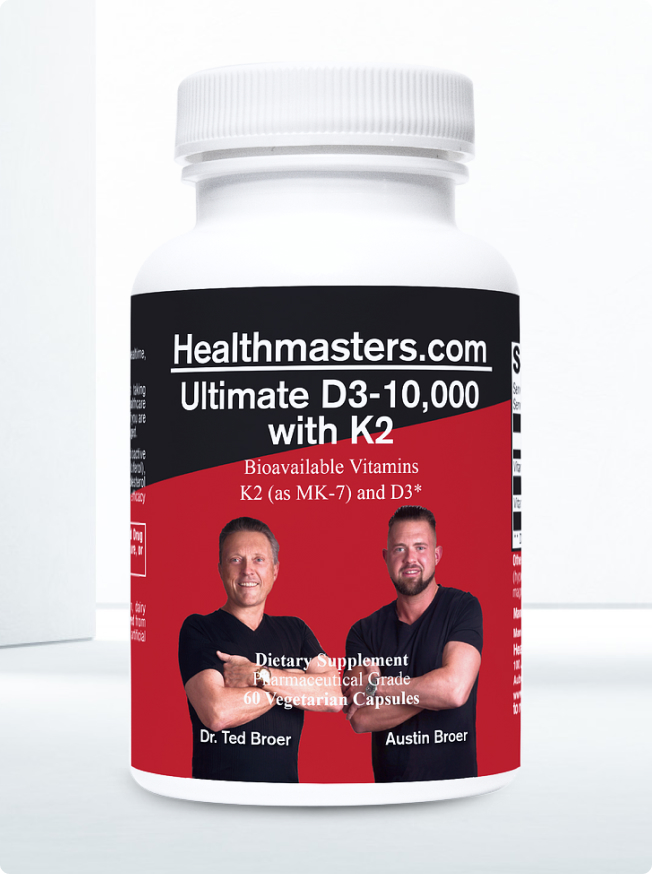
The vitamin D and magnesium athletic performance segment reinforces the synergistic relationship both hosts have been documenting across recent episodes, with Austin specifically connecting these nutrients’ joint role in muscle contraction regulation, energy production, and bone strength maintenance to the athlete’s recovery and performance capacity, and both hosts reinforcing adequate blood level testing as the only reliable way to confirm functional sufficiency rather than assuming dietary intake is adequate.
The episode closes with B complex announced as product of the week winner by a landslide for its energy-boosting properties, three-pack special on Ultimate Multiple Powder at 10% off, free shipping threshold raised to orders over $150, purple sticks in cans expected in four to five weeks, tonight’s additional Hagman show appearance announced, and Ted’s warm faith send-off calling the audience to stay informed, supplement consistently, and keep their hearts grounded in Christ.